
Toilet keeps running? How to find and fix the cause
By DrainX Plumbing · Updated
Short answer
A toilet that keeps running is usually leaking water from the tank into the bowl past a worn flapper, or its fill valve isn't shutting off. Put a few drops of food colouring in the tank and wait 15 minutes. Colour in the bowl means a leak. The City of Surrey says a running toilet can waste 480 to 960 litres a day.
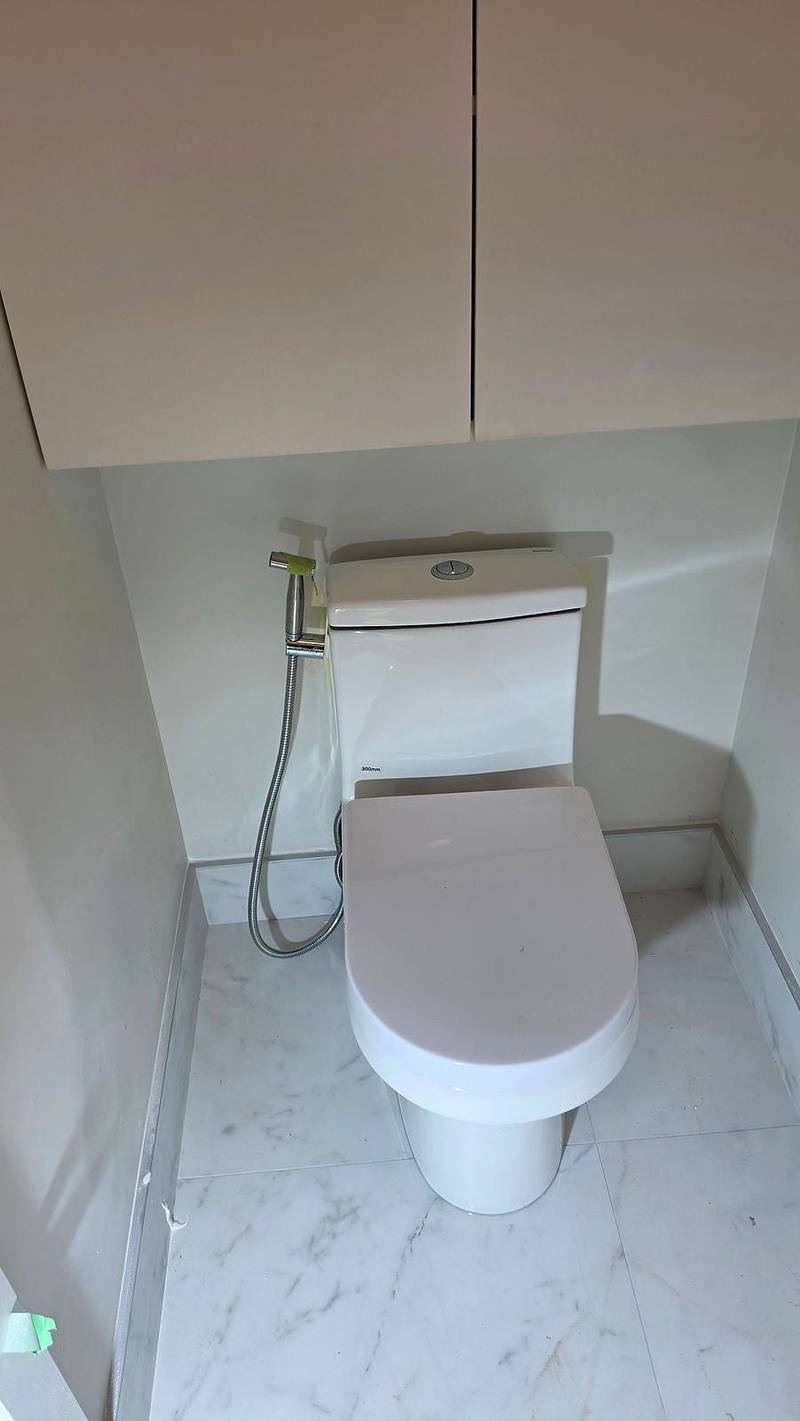
Why does my toilet keep running?
A toilet keeps running because water is leaving the tank when it shouldn’t, so the fill valve keeps topping it up. There are two usual causes. Either the flapper at the bottom of the tank isn’t sealing and water is slipping into the bowl, or the fill valve isn’t shutting off and water is spilling down the overflow tube.
The City of Surrey says toilet leaks are usually caused by a faulty flapper, the part that keeps water in the tank from flowing into the bowl.
How do you test a toilet for a leak?
Use the dye test. Surrey describes two checks:
- With the toilet not recently flushed, listen for the sound of running water.
- If you hear nothing, put a dye tablet or several drops of food colouring in the tank. Wait 15 minutes without flushing. If the water in the bowl is coloured, the toilet is leaking.
The dye test catches the quiet leaks. A flapper can let water past slowly enough that you never hear it.
How much water does a running toilet waste?
A lot more than a dripping tap. Surrey estimates that a toilet that keeps running after a flush can waste 20 to 40 litres an hour, which is 480 to 960 litres a day. The City of Vancouver says its staff have seen worst cases where a leaking toilet wasted up to 7,000 litres a day.
If your home has a water meter, that water is on your bill. Vancouver is bringing in metering across the city, so more homeowners will see the cost of a leak directly.
How do you fix a running toilet?
Take the lid off the tank and look at where the water is going. Work through these in order:
- Push down on the flapper with a finger. If the running stops, the flapper isn’t sealing. Look for a chain that is too short or tangled and is holding it open, then check the rubber for warping or slime.
- Look at the water level. It should sit a little below the top of the overflow tube. If water is spilling into the tube, the fill valve is set too high or isn’t closing. Most have an adjustment screw or a sliding clip on the float.
- Lift the float by hand. If the water stops, the valve works and only needs adjusting. If it keeps running, the fill valve is worn.
- Replace the worn part. Surrey notes that flappers are easy to replace and are sold at plumbing and hardware stores. Take the old one with you, because sizes differ.
Close the shut-off valve behind the toilet before you remove any part, then flush to empty the tank.
Why does my toilet run for a few seconds every few minutes?
That is a slow leak past the flapper. Water seeps into the bowl until the tank level drops far enough to trip the fill valve, which runs briefly to top it up. Then the cycle repeats. The dye test will confirm it, and a new flapper usually cures it. If a new flapper doesn’t, the seat it rests on may be pitted or cracked.
Why is my toilet hissing?
A hiss is the fill valve letting a little water through. Either it is still filling a tank that is losing water to a leaky flapper, or the valve’s own seal is worn and it can’t close fully. Adjust the float first. If the hiss continues with the tank full, replace the fill valve.
What if the shut-off valve behind the toilet won’t close?
Don’t force it. Old shut-off valves seize, and a stem that snaps can turn a running toilet into a flood. If the valve won’t turn by hand or drips when you move it, close the main water shut-off for the house and have the valve replaced along with the toilet parts. Our guide on shutting off the main water supply shows where to find it.
What if the toilet is leaking at the base?
Water at the base is a different problem from a running tank. It usually means the seal between the toilet and the drain pipe has failed, or the bolts holding the toilet down have loosened. Stop using that toilet. Water from the base is waste water, and it soaks into the floor each time you flush.
Wipe the outside of the tank and the supply line first to rule out condensation or a drip from above. If the water returns only when you flush, the toilet needs to be lifted and reset on a new seal.
Should you repair or replace a running toilet?
Repair it if the toilet is sound and the fault is in the tank parts. Flappers, fill valves and supply lines are all replaceable. Replace the toilet when:
- The tank or bowl is cracked.
- You’ve replaced the parts and it still leaks.
- It needs two flushes most of the time.
- It rocks on the floor even after the bolts are tightened.
Older toilets also use far more water per flush than current models. Some municipalities have offered rebates for replacing them, so check your city’s website before you buy.
When to call a plumber
Call a plumber when:
- The toilet still runs after a new flapper and an adjusted float.
- The shut-off valve is seized or leaking.
- Water is showing at the base of the toilet.
- You can hear water running in the pipes with every tap and toilet off. The City of Vancouver lists that sound as a reason to call.
DrainX repairs and replaces toilets, faucets and shut-off valves and tracks down hidden leaks. We check first whether a repair will do before recommending a new fixture.
Sources
- Detecting Water Leaks , City of Surrey
- Accelerated city-wide water metering , City of Vancouver
- Fix leaks, floods, and sewage problems , City of Vancouver